Smart Attractions vs. Tech Attractions Without Infrastructure: Should You Upgrade or Build from Scratch?

In today’s rapidly evolving entertainment landscape, attractions that incorporate cutting-edge technology—often called smart attractions—are transforming how guests engage with experiences. From interactive displays to AI-driven simulations, these tech attractions are reshaping expectations. But industry leaders and developers often face a pivotal decision: should they upgrade an existing attraction with new technology or build a tech attraction without infrastructure from the ground up? This choice hinges on several crucial factors—cost, time, operational impact, and return on investment (ROI).
In this article, we’ll dive into a detailed comparison between upgrading existing attractions versus launching fresh tech attractions without infrastructure, offering insights to help you make informed decisions for your venue or project.

The Rise of Smart Attractions and Tech Attractions Without Infrastructure
Smart attractions leverage emerging technologies like augmented reality (AR), virtual reality (VR), IoT sensors, and AI to create immersive experiences. Often, these attractions are retrofitted into established venues, integrating digital components without a complete overhaul. On the other hand, tech attractions without infrastructure are designed from scratch, often housed in new or adaptive spaces built specifically to support the latest tech setups.
Understanding the pros and cons of these approaches can save time and resources while maximizing guest satisfaction and profitability.
Cost: Balancing Budget Constraints and Long-Term Value
One of the most pressing considerations is cost. Upgrading an existing attraction usually involves integrating new technology into the current physical space and operational runway. This path can often reduce upfront expenses because the venue, basic infrastructure, and foundational elements are already in place. For example, adding interactive digital kiosks or installing VR stations within an established museum exhibit can be relatively economical compared to building an entirely new facility.
However, upgrading isn’t without challenges. Older buildings or infrastructure may require renovations or compatibility adjustments to support new tech, sometimes leading to hidden expenses. Maintenance costs could also rise if legacy systems are incompatible with new smart components.
Building tech attractions without infrastructure means investing heavily upfront—in design, construction, new technology deployment, and staff training. This approach can be costlier initially, but it allows for a more tailored design that optimizes the guest experience and operational efficiency. Over time, the modern infrastructure often translates to reduced maintenance costs and smoother scalability.
Time: Speed to Market Matters
Time is money, especially in the fast-paced attractions industry. Upgrading existing attractions generally offers a faster route to deployment. Since the venue and primary infrastructure exist, teams can focus on integrating technology and training staff rather than constructing buildings. Seasonal schedules, public demand, and competitive pressures make quicker rollouts attractive.
In contrast, tech attractions without infrastructure require comprehensive planning, design, construction, and testing phases. This process can take months, sometimes years, delaying revenue generation and risking missed market opportunities. However, the payoff for patience can be a more cohesive and forward-looking experience that sets a new standard in innovation.
Operational Impact: Managing Day-to-Day Disruptions
Operational continuity is critical. Upgrading a live attraction often involves work during off-hours or partial closures, which can disrupt visitor flow and staff routines. Even temporary downtime may lead to reputational risks or lost revenue. Moreover, training existing employees to handle new technology within a modified space can be tricky if systems don’t integrate seamlessly.
On the flip side, building tech attractions without infrastructure provides a clean slate to develop workflows, maintenance routines, and visitor pathways optimized for the technology. Staff can be hired and trained specifically for these new systems, making operations smoother from day one. Still, launching a new attraction involves a learning curve and potential initial operational hiccups.
Return on Investment: Measuring Success Over Time
ROI is the ultimate metric for deciding between upgrading or building anew. Upgrading existing attractions often delivers quicker ROI returns since the project can capitalize on the venue’s established visitor base and brand loyalty. Smart technology can rejuvenate interest without alienating longtime patrons.
However, the ceiling for ROI might be limited if the attraction’s physical constraints prevent full deployment of innovative ideas. There’s also the risk that incremental updates are perceived as “band-aid” solutions rather than transformative experiences.
Tech attractions without infrastructure hold greater potential for breakthrough successes. With the freedom to design immersive and seamless tech-driven experiences, these attractions can attract new demographics and command premium pricing. The scalability of modern facilities may also enhance long-term profitability. Yet, the elevated initial investment demands patience and strategic marketing to reach full ROI potential.

Practical Insights: Key Considerations for Your Decision
To clarify the comparison, here are pivotal points to weigh when choosing between upgrading an existing attraction or building a tech attraction without infrastructure:
1. Budget and Financial Flexibility
- Upgrading suits limited or moderate budgets.
- Building new requires substantial capital but enables custom solutions.
2. Speed and Market Timing
- Upgrades can be deployed faster to capture immediate opportunities.
- New builds need extended timelines but position for future trends.
3. Infrastructure Readiness
- Assess the capacity and limitations of existing facilities.
- New builds avoid legacy constraints but require full planning.
4. Guest Experience and Innovation Potential
- Incremental tech upgrades may enhance but not revolutionize experiences.
- Built-from-scratch attractions allow for groundbreaking immersion and interactivity.
5. Operational Complexity and Staff Training
- Upgrades might complicate workflows during transition periods.
- New builds offer streamlined operations tailored to tech systems.
6. Long-Term Maintenance and Scalability
- Older venues may incur hidden upkeep costs for new tech integration.
- Purpose-built attractions support easier maintenance and future growth.
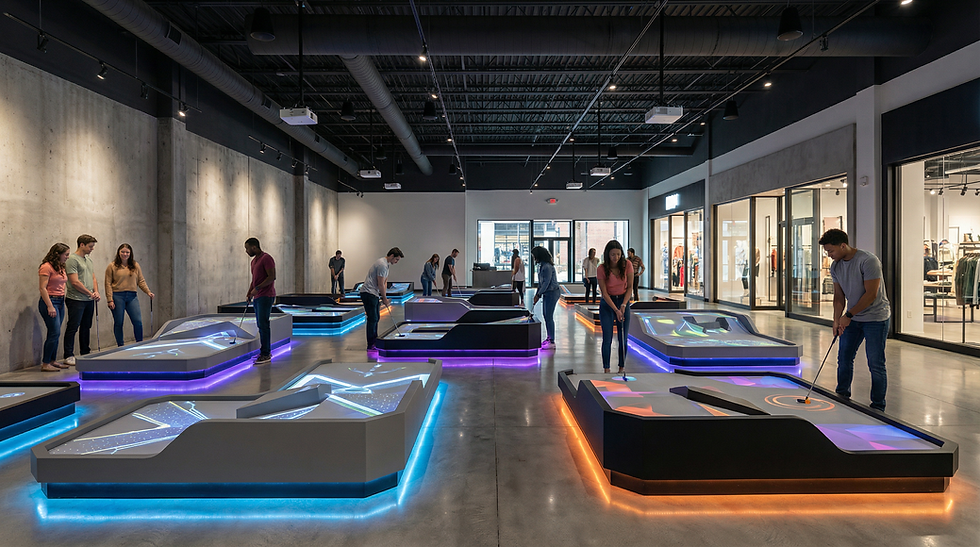
Final Thoughts: Making the Smart Choice for Smart Attractions
Both upgrading existing attractions and building tech attractions without infrastructure have their place in today’s entertainment ecosystem. Choosing the right path depends on your unique circumstances—financial resources, project timelines, operational realities, and strategic goals.
Smart attractions that thoughtfully integrate new tech into current venues can quickly boost engagement and ROI with manageable investment. They offer a pragmatic approach to innovation while preserving brand heritage. Conversely, constructing tech attractions without infrastructure empowers creators to build fully immersive, next-gen experiences that can redefine guest expectations and capture new market segments.
Ultimately, the decision is less about which strategy is universally better and more about which best aligns with your vision, resources, and risk tolerance. By carefully weighing cost, time, operational impact, and ROI potential, you can design a future-ready attraction that resonates with visitors and stands the test of time.
If you’re considering a tech-savvy upgrade or a brand-new smart attraction, take the time to analyze your current infrastructure, engage experts in technology and design, and map out a phased plan that supports your business goals. After all, the smartest attraction is the one that delivers unforgettable experiences and sustainable success.
For more expert insights on integrating technology into attractions and boosting guest engagement, explore our other articles on smart venue design and emerging entertainment tech trends. Your next innovation is closer than you think!


Comments