Mini Golf Course Design Strategies for Real Estate Developers to Boost Property Value
- Christopher R

- Aug 21, 2025
- 4 min read
Updated: Dec 10, 2025
Mini Golf Course Design: What Real Estate Developers Need to Know to Stay Ahead
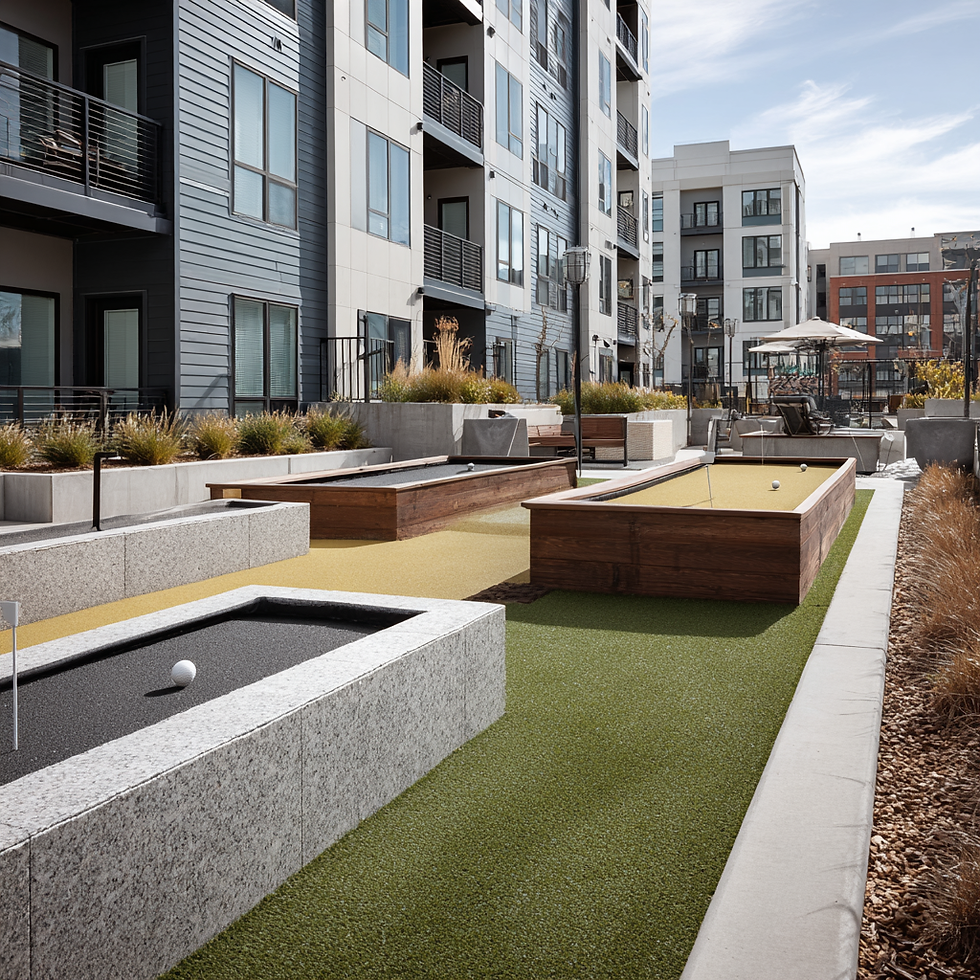
In today’s competitive real estate market, developers are constantly seeking innovative ways to enhance their properties and attract potential residents. Among various options, incorporating a mini golf course into community amenities is proving to be a distinctive feature that can significantly boost a property’s appeal. Miniature golf has evolved beyond a simple amusement park activity; it now serves as a sophisticated amenity that elevates the lifestyle offerings of apartment complexes and residential communities. If you’re a developer exploring how mini golf course design could fit into your next project, this article clarifies the process and highlights why a thoughtfully designed mini golf course is a strategic, engaging apartment amenity.

Why Mini Golf Course Design Matters for Real Estate Developers
Adding a mini golf course to your property involves more than simply placing a few holes; it requires careful design that considers your target demographic, optimizes limited space, and integrates the course seamlessly into the community amenities. When designed well, it becomes a social centerpiece, encouraging residents to interact, relax, and enjoy outdoor activity; a highly valued benefit in apartment living.
Properties featuring unique, well-executed amenities often command higher rental rates and experience improved tenant retention. Mini golf combines entertainment, light physical activity, and community building in a way that appeals broadly to families, young professionals, and seniors alike. Successful mini golf course designs strike a balance between challenge and accessibility, ensuring players of all skill levels feel welcome.
Key Elements of an Effective Mini Golf Course
When planning a mini golf course, real estate developers should focus on these critical design components:
- Space Utilization: Mini golf fits naturally into compact areas. Whether on a rooftop, courtyard, or green space, courses can be customized to maximize the available footprint without compromising player experience. Creative use of multi-level platforms and winding lanes adds interest while conserving space. Notably, Novus Attractions, a leading provider, typically recommends a minimum of 3,000 square feet for their mini golf courses, which are thoughtfully designed to fit efficiently within various property layouts.
- Theme and Aesthetics: The visual style of the mini golf course enhances a property’s uniqueness. Whether whimsical with vibrant colors and creative obstacles or sleek and naturalistic, the design should align with the overall architectural and landscaping theme. Cohesive theming strengthens the property’s brand and resident appeal.
- Safety and Accessibility: Designing for safety is essential. Incorporate non-slip surfaces and appropriate barriers, and ensure the course is accessible to people with disabilities through ramps and wider pathways. An inclusive mini golf course design accommodates more residents, enhancing community satisfaction.
- Durability and Maintenance: Materials selected must resist weather, wear, and vandalism to reduce long-term costs and upkeep requirements. Novus Attractions products commonly use durable materials like HDPE sheets and plywood, engineered using SolidWorks software for precision. Synthetic turf, concrete, and weather-resistant paints are popular choices for surfaces and obstacles. A well-maintained mini golf course positively reflects on property management and encourages frequent resident use.
Incorporating Mini Golf into Apartment Amenities: The Developer’s Advantage
Modern renters seek not only a comfortable living space but also a lifestyle enriched by quality amenities. Mini golf courses blend recreation and social interaction, creating a standout community feature. Key benefits include:
- Promoting Outdoor Activity: Mini golf provides residents with an accessible, enjoyable way to engage in light physical activity on-site, supporting health and wellness priorities.
- Enhancing Social Engagement: Mini golf fosters connections among families, friends, and neighbors, cultivating a vibrant, welcoming community atmosphere.
- Boosting Marketability: The presence of a mini golf course is an eye-catching addition that differentiates a property in marketing materials, tours, and online platforms, contributing to a competitive advantage.
Designing for Success: Practical Tips for Real Estate Developers
When considering a mini golf course for your property, keep these best practices in mind:
1. Engage Expert Designers: Collaborate with landscape architects or specialized design firms such as Novus Attractions. Expert design ensures courses are customized to your site and residents’ preferences for maximum enjoyment.
2. Understand Your Audience: Tailor design themes and course difficulty to your target demographic. Family-oriented communities may favor whimsical, interactive elements, while luxury developments might choose sleek, modern aesthetics.
3. Plan Multi-Functional Spaces: Design the course and surrounding areas to support additional uses such as community events, outdoor movies, or fitness classes when the mini golf course is not in use, optimizing amenity value.
4. Invest in Quality: Prioritize durable materials and professional installation. Novus Attractions, for example, uses robust materials and advanced engineering software to create courses that withstand frequent use and weather exposure.
5. Promote Safety: Implement clear rules, sufficient lighting for evening use, and safety features such as non-slip surfaces and barriers to mitigate injury risks.
6. Combine Amenities: Pair mini golf with features like picnic areas, fire pits, or outdoor lounges to encourage longer resident visits and a richer outdoor experience.
The Future of Mini Golf in Residential Communities
As experiential amenities grow in importance, mini golf courses are evolving with technological enhancements. Innovations include LED lighting systems for extended hours and customizable mood settings, interactive scorekeeping apps, and even augmented reality features—appealing especially to tech-savvy residents. Sustainable mini golf course design elements—such as using recycled materials, drought-resistant landscaping, and efficient water features—also add value by aligning with eco-conscious lifestyle trends.
Summary: Why Mini Golf Course Design Should Be on Every Developer’s Radar
To stay competitive, developers must recognize the value of a well-designed mini golf course as a dynamic community asset. Integrating this engaging amenity fosters social interaction, encourages outdoor activity, and enhances resident experience; qualities that increase desirability, improve retention, and elevate property value.
Incorporate mini golf into your next development to transform everyday amenities into memorable attractions. With expert mini golf course design and strategic planning, your property gains a compelling edge that resonates with today’s renters seeking fun, community, and quality living spaces. Make this enjoyable and functional feature a cornerstone of your project’s success.


Comments