Designing Accessible Mini Golf Courses to Enhance Wellness in Senior Communities

Updated: Dec 10, 2025
Designing Smart Mini Golf for Senior Living Communities: Combining Fun and Wellness
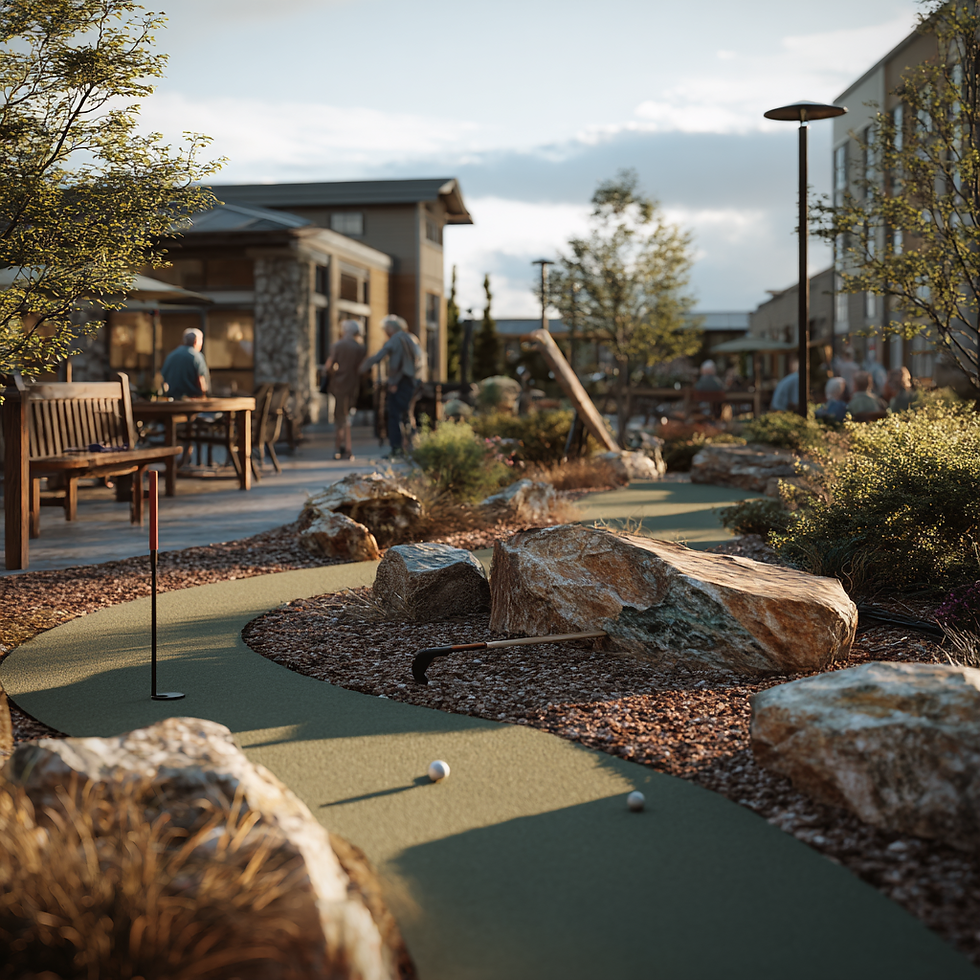
As the population ages, senior community independent living and active retirement living options are evolving beyond traditional models to incorporate features that foster creativity, wellness, and social interaction. One effective trend gaining traction is the thoughtful integration of mini golf design into community spaces. Mini golf courses created specifically for seniors offer more than entertainment; they provide gentle physical activity, promote community bonding, and enhance overall quality of life.
Why Mini Golf is an Ideal Addition to Senior Communities
Mini golf is more than lighthearted play; it’s a versatile activity that combines enjoyment with physical and mental health benefits. In senior community independent living environments, this dual-purpose appeal is especially valuable. Mini golf courses are accessible and can be designed to accommodate various mobility levels, making them suitable for residents with diverse physical abilities.
Active retirement living focuses on fostering engagement, activity, and social connection. A mini golf course tailored for seniors supports this by offering a space where physical activity naturally intersects with socializing. This helps reduce isolation and encourages cognitive engagement, key factors in healthy aging.
Key Considerations in Mini Golf Design for Seniors
Building a mini golf course for senior living communities involves more than duplicating a standard course; it requires thoughtful attention to safety, accessibility, and enjoyment. Thoughtfully designed mini golf can serve as low-impact exercise that enhances balance, coordination, and flexibility.
Important design elements include:
Accessibility: The course layout should avoid steep slopes and uneven surfaces that could increase fall risk. Wide paths and ramps enable easy access for walkers and wheelchairs, ensuring inclusive participation.
Ergonomics: Equipment such as putters and balls should accommodate varying hand strength and dexterity. Lightweight putters with comfortable grips and larger balls facilitate easier handling and play.
Visual Clarity: Clear signage, distinct hole markers, and contrasting colors assist seniors with vision challenges in navigating the course.
Safety Features: Incorporate non-slip surfaces and provide plenty of resting spots with benches and shade. Safety rails near difficult holes can offer additional support.
Engaging Themes: Adding vibrant, themed obstacles or community-inspired art encourages engagement and repeat visits.
Mini Golf Course as Low-Impact Exercise for Seniors
A significant benefit of mini golf in senior living communities is its role as a form of low-impact exercise. Unlike high-impact sports, mini golf allows older adults to engage in physical activity that is gentle on the joints while supporting muscle tone and cardiovascular health.
Walking between holes offers mild aerobic exercise, which can improve heart health and stamina without overexertion. The putting motion helps enhance upper body strength, coordination, and fine motor skills. Moreover, because mini golf is a social activity, it also positively impacts mental well-being by reducing stress and anxiety.
Health professionals widely recognize that consistent participation in such low-impact activities supports mobility and independence, essential for seniors in independent and active retirement communities.
Practical Benefits of Integrating Mini Golf in Senior Communities
Installing a dedicated mini golf course in a senior living community delivers multiple tangible benefits beyond leisure:
1. Encourages Regular Physical Activity
The inviting nature of mini golf motivates residents to engage in regular movement, which may reduce risks of cardiovascular disease, arthritis, and osteoporosis.
2. Enhances Social Interaction
Mini golf fosters friendly competition and group play, creating a social environment where friendships grow and loneliness diminishes.
3. Stimulates Cognitive Function
Playing involves strategizing and course navigation, activities that help maintain focus and problem-solving skills.
4. Customization Opportunities
Courses can be tailored to meet specific community needs, including adaptive features or adjusted course lengths to accommodate various abilities.
5. Boosts Community Appeal
Unique amenities like mini golf attract prospective residents who prioritize active lifestyles and wellness-focused environments.
6. Supports Mental Health
The combination of outdoor activity, social engagement, and light exercise contributes to improved mood and helps counteract depression and cognitive decline.
Tips for Successful Mini Golf Course Integration in Senior Living Communities
To maximize the benefits and enjoyment of a mini golf course designed for seniors, consider these practical tips:
- Collaborate with Residents: Include community members in planning. Their input can shape course features and themes that resonate with them.
- Address Mobility Needs: Work with healthcare professionals to understand mobility challenges and incorporate appropriate accessibility design.
- Rotate Challenges: Update course layouts or introduce new obstacles periodically to keep play engaging and encourage repeat visits.
- Host Regular Events: Organize tournaments, themed game nights, or social gatherings centered around the course to promote community interaction.
- Incorporate Nature: Position the course in green spaces that serve as calming environments, encouraging residents to spend more time outdoors.
- Ensure Maintenance: Keep the course well-maintained to prevent hazards and maintain safety and attractiveness.
Conclusion: Mini Golf Design as a Catalyst for Healthy Aging
Smart mini golf design in senior living communities creates a synergy of fun and wellness. By integrating thoughtfully designed mini golf courses, independent and active retirement living environments provide residents with an enjoyable, low-impact exercise option. These courses foster social connections, cognitive stimulation, and overall well-being.
Investing in such amenities demonstrates a community’s dedication to holistic health and quality of life, empowering residents to enjoy an active, fulfilling lifestyle in their later years. For senior living operators and designers, incorporating mini golf into wellness strategies is a forward-looking, rewarding choice.
If you’re considering enhancements to your senior living facility, exploring mini golf design tailored specifically for seniors is a smart step; uniting play, exercise, and community in an accessible, engaging package.


Comments